
Before a long driving journey, it is easy to focus entirely on packing and route planning.
However, several vehicle components deserve attention before you spend hours on motorways and unfamiliar roads.
Tyre pressure, wheel alignment and brakes are three areas worth considering during pre-travel preparation. Problems in these areas can affect handling, tyre wear, comfort and the overall driving experience.
Understanding the basic warning signs can help you decide when a professional vehicle check may be appropriate.
Start With Tyre Pressure
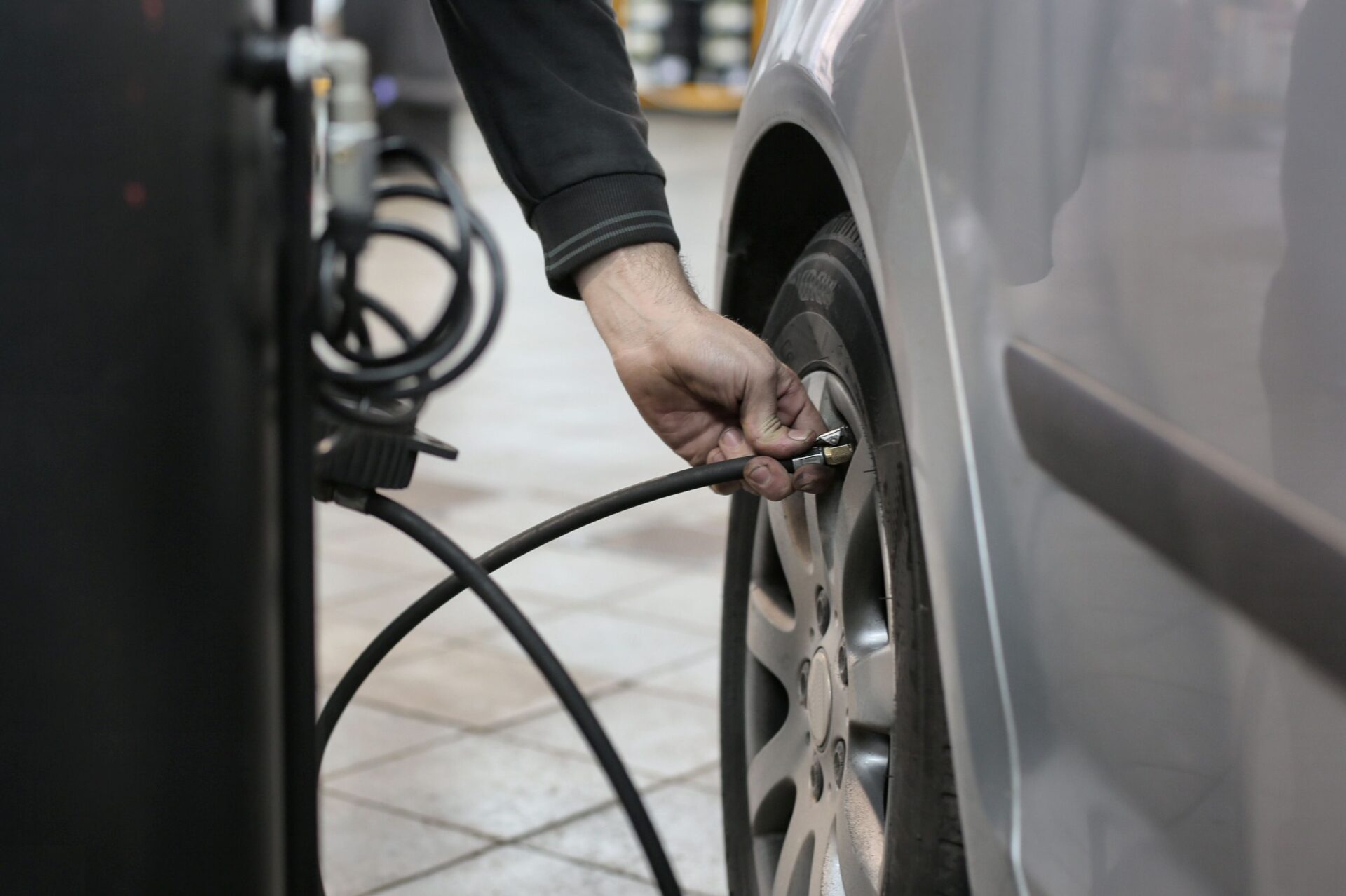
Checking tyre pressure is one of the simplest pre-trip tasks.
Use the pressure recommended by your vehicle manufacturer rather than relying on the number printed on the tyre itself.
The recommended figure may differ depending on whether your vehicle is lightly loaded or carrying several passengers and luggage.
Check pressure before departure, ideally according to manufacturer guidance regarding tyre temperature.
If your vehicle has a tyre-pressure monitoring system, do not ignore warnings.
Why Pressure Matters on Long Trips
Incorrect tyre pressure can influence vehicle handling, tyre wear and fuel consumption.
These effects become particularly relevant when you are travelling hundreds of miles.
A holiday vehicle may also be carrying considerably more weight than during an ordinary commute.
Check pressure again if necessary during an extended driving holiday, particularly if the vehicle’s load changes significantly.
Look for Uneven Tyre Wear
While checking pressure, inspect the tyre tread.
If one side of a tyre is wearing much faster than another, there may be an underlying issue that deserves attention.
Uneven wear can have several potential causes, which means it is better to have the vehicle assessed rather than guessing.
Automotive specialists such as Protyre offer services including tyres, wheel alignment, brakes, MOT testing and vehicle servicing at participating centres.
Professional inspection can help determine what attention your particular vehicle requires.
Understand Wheel Alignment
Wheel alignment relates to the angles at which the wheels are positioned.
Poor alignment may contribute to uneven tyre wear and can affect how the vehicle feels on the road.
Potential signs can include uneven tyre wear or a vehicle that does not appear to track as expected.
However, symptoms can have multiple causes, so professional assessment is appropriate if you have concerns.
Why Alignment Matters Before Travelling
A small alignment issue may seem easy to postpone when you only drive short distances.
During a long holiday, however, you may cover hundreds or thousands of miles.
If your tyres are already wearing unevenly, additional mileage could increase that wear.
Having concerns investigated before departure can be more convenient than searching for a garage while travelling.
Pay Attention to Your Brakes
Brakes should never be treated as an optional pre-trip consideration.
Think about how your vehicle has been behaving recently.
Have you noticed unusual noises when braking? Does the brake pedal feel different? Have you experienced vibrations or any noticeable change in braking behaviour?
These symptoms should be investigated rather than ignored.
A professional brake inspection can determine whether maintenance or replacement is necessary.
Consider Your Destination
Your route can influence how much demand is placed on different vehicle systems.
A flat motorway journey is different from travelling through steep countryside or mountainous areas.
Likewise, busy city driving can involve frequent braking.
If your holiday includes demanding roads, ensuring that your brakes and tyres are in appropriate condition before departure becomes even more important.
Do Not Forget General Vehicle Checks
Tyre pressure, alignment and brakes are important, but they should form part of a broader pre-trip inspection.
Check engine oil, coolant, windscreen washer fluid, lights and wipers.
Make sure there are no dashboard warnings you have been postponing.
If your vehicle is due for scheduled servicing, consider completing it before a major journey.
Prepare Early
One of the best travel preparation tips is simply to start earlier.
Check your vehicle several days before departure rather than on the morning of the trip.
This gives you time to arrange tyre fitting, alignment, brake inspection or servicing if anything requires professional attention.
It also means the final day before your holiday can be spent packing rather than trying to find an available garage appointment.
Make Vehicle Checks Part of Travel Planning
Long-distance driving can be an enjoyable way to travel because it provides flexibility and independence.
That freedom is easier to enjoy when you know you have taken sensible steps to prepare the vehicle.
Check tyre pressures, look for unusual wear, pay attention to potential alignment symptoms and never ignore changes in braking behaviour.
Combine those checks with routine vehicle maintenance and sensible journey planning. Once the car is prepared, you can concentrate on the road ahead and the places you are travelling to see.