
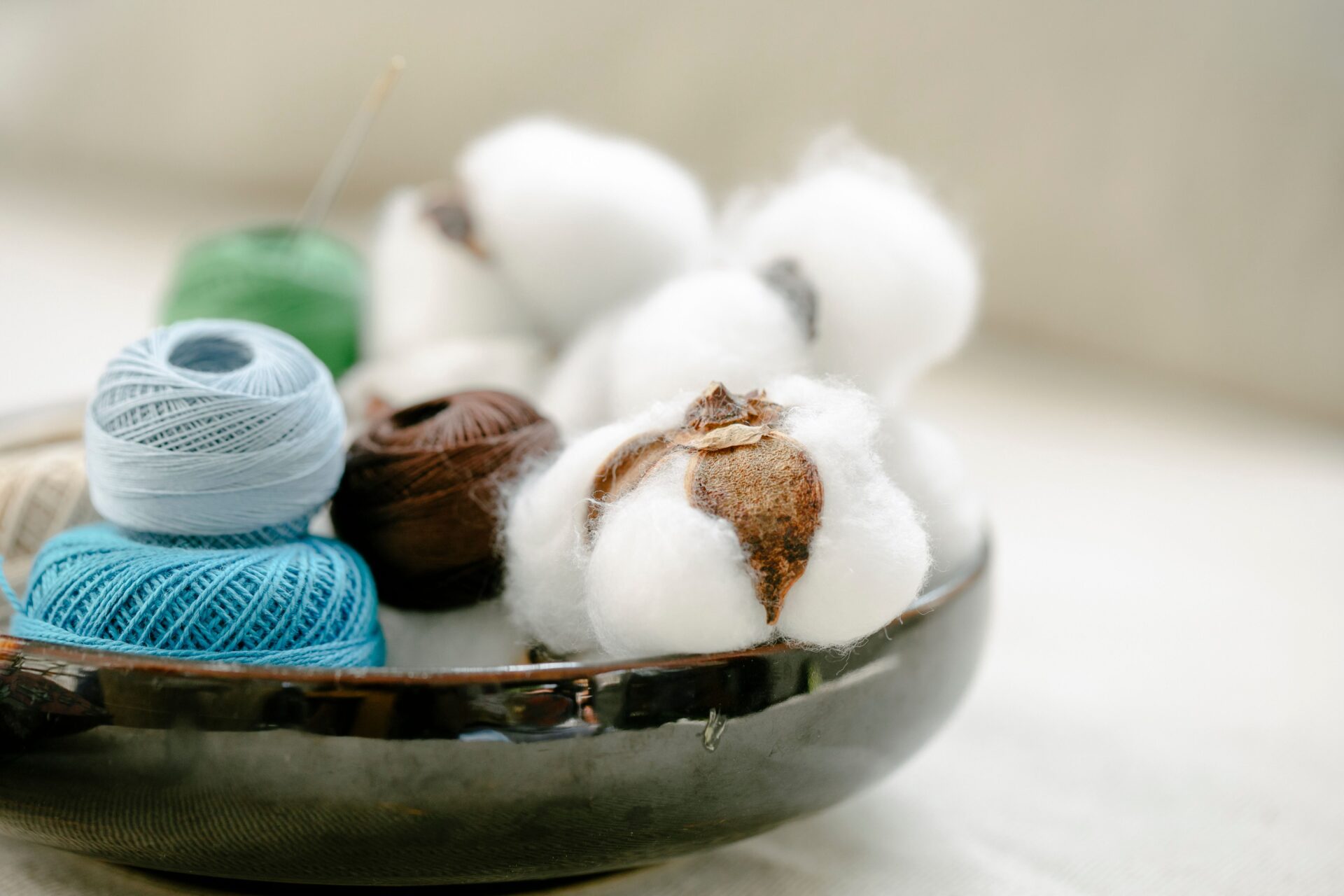
Cotton appears everywhere in our wardrobes, from everyday T-shirts and bedding to underwear and pajamas.
However, not every cotton fabric is exactly the same.
One term you may encounter when shopping for premium clothing or sleepwear is “Pima cotton.” It is often associated with softness and higher-quality garments, but what actually distinguishes it from more conventional cotton?
Understanding the differences can help you make a more informed decision when buying clothing that will be worn and washed regularly.
What Is Pima Cotton?
Pima cotton is a type of extra-long-staple cotton.
Staple refers to the length of the individual cotton fibers used to produce yarn.
Longer fibers can be spun into smooth, fine yarn with fewer exposed fiber ends than shorter-staple alternatives.
This contributes to the smooth feel commonly associated with high-quality Pima cotton products.
Petite Plume uses 100% Peruvian Pima cotton in many of its women’s and children’s sleepwear styles, describing the material as soft, breathable and designed to maintain its feel through repeated washing.
How Is Regular Cotton Different?
“Regular cotton” is a broad term rather than one precise fabric specification.
Many everyday cotton garments use shorter fibers compared with extra-long-staple varieties.
That does not automatically make conventional cotton poor quality. Construction, yarn, finishing and manufacturing methods all influence how a final garment feels and performs.
However, fiber length is one of the reasons premium cotton varieties such as Pima have developed a reputation for smoothness.
Softness Is a Major Attraction
One of the first things people notice about Pima cotton is its feel.
Long fibers can create smoother yarn, which can result in fabric that feels soft against the skin.
That characteristic is especially desirable in sleepwear because pajamas remain in direct contact with the body for long periods.
For people who prioritize tactile comfort, fabric selection may therefore be just as important as pajama style.
Durability Matters
Softness does not necessarily have to mean delicacy.
Longer cotton fibers can also contribute to strong yarn.
This is useful for frequently washed items such as pajamas, T-shirts and certain bedding products.
A garment that feels excellent when it is new but quickly deteriorates after several washes may not provide particularly good long-term value.
When comparing sleepwear, consider not only the initial appearance but also how the material is intended to handle repeated wear and laundering.
What About Pilling?
Pilling occurs when small balls of tangled fibers develop on the surface of fabric.
Many factors can contribute to pilling, including fiber characteristics, fabric construction, friction and garment care.
Longer fibers generally provide fewer loose ends than shorter fibers, which is one reason extra-long-staple cotton is valued for smooth textile applications.
Proper laundering is still important.
Even premium fabric should be washed according to its care label to preserve its appearance for as long as possible.
Breathability and Sleepwear
Cotton is widely used for sleepwear partly because it can feel comfortable across different seasons.
Lightweight cotton pajamas can work particularly well in warmer conditions, while long-sleeve styles provide more coverage when temperatures drop.
Petite Plume offers Pima cotton in both long pajama sets and short sets, illustrating how the same basic fabric category can be adapted to different seasons.
When choosing pajamas, consider both material and garment design.
Color and Appearance
Fabric quality can also affect how a garment looks over time.
A smooth textile surface provides a good foundation for colors and prints.
However, washing practices remain important for maintaining appearance.
Using appropriate water temperatures, following drying recommendations and washing similar colors together can help clothing remain attractive.
Always prioritize the manufacturer’s instructions over generic laundry advice.
Is Pima Cotton the Same as Silk?
No.
Pima cotton and silk are completely different fibers.
Pima is a premium cotton variety, while silk is a natural protein fiber.
They also have different textures and characteristics.
For example, Petite Plume’s women’s collection includes both Peruvian Pima cotton and 22 momme mulberry silk sleepwear, giving customers distinctly different fabric experiences.
Choosing between them largely comes down to personal preference, budget and intended use.
Is Pima Cotton Worth Considering?
That depends on what you value.
If you are buying an occasional garment that will rarely be worn, premium fabric may not be a priority.
For pajamas, however, the situation is different.
Sleepwear can be worn for many hours each week and washed frequently. Comfort and durability therefore become more relevant.
This is one reason premium cotton can make sense for products such as pajamas, children’s sleepwear and other frequently worn basics.
Look Beyond the Fabric Name
A premium fiber alone does not guarantee that every garment made from it will be excellent.
Look at the complete product.
Consider fit, stitching, construction, care requirements and whether the design suits how you intend to use it.
Brand reputation and transparent product information can also help when evaluating options online.
A Small Detail That Can Make a Big Difference
The difference between Pima cotton and conventional cotton begins at the fiber level, but consumers experience it through qualities such as softness, smoothness and durability.
For something worn as frequently as sleepwear, those characteristics can be meaningful.
The next time you see Pima cotton listed on a clothing label, you will know that the term refers to more than simply marketing.
It identifies a specific type of cotton valued for its extra-long fibers and the textile qualities those fibers can help create.