
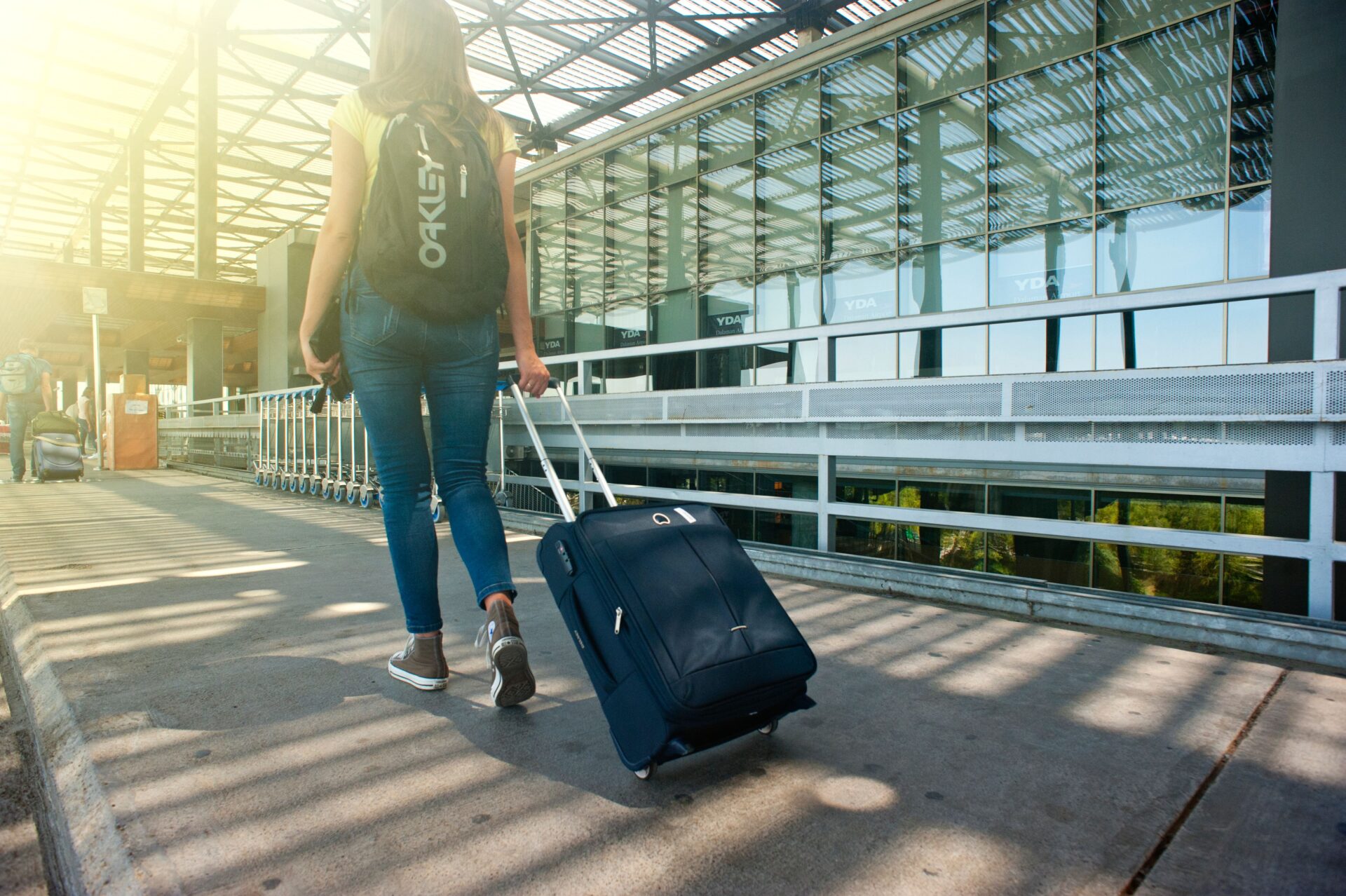
Travelling with only carry-on luggage can completely change the experience of a short holiday. There is less luggage to transport, fewer belongings to keep track of and, when flying, potentially no need to wait at baggage reclaim.
However, packing light requires more planning than simply using a smaller suitcase. The challenge is deciding what you genuinely need while making the best use of limited space.
Here are some practical strategies for travelling comfortably with carry-on luggage alone.
Choose Your Luggage Carefully
Your bag determines how easy carry-on travel will be.
Before purchasing or packing luggage, check the size and weight restrictions of the airline you’re using. Allowances vary between airlines and ticket types, so don’t assume that a bag accepted on one flight will automatically qualify on another.
A well-designed backpack can be convenient when moving between airports, stations and accommodation. Alternatively, wheeled carry-on luggage can be useful if you’ll primarily be travelling across smooth surfaces.
Travel-oriented companies such as Timbuk2 produce backpacks and luggage with multiple storage options. Regardless of the brand you choose, look for something lightweight, comfortable and suitable for your particular mode of travel.
Build a Small Capsule Wardrobe
Clothing is usually responsible for most unnecessary packing.
Rather than planning a completely different outfit for every day, create a small collection of clothes that work together.
Neutral colours make mixing and matching easier. A few tops combined with one or two pairs of trousers can create several outfits without filling your bag.
Layers are particularly valuable. A lightweight jumper or jacket can provide warmth without requiring several bulky pieces of clothing.
Before packing anything, ask yourself whether you’ll realistically wear it during the trip. If the answer is “maybe”, consider leaving it at home.
Limit Your Shoes
Shoes are among the least space-efficient items travellers pack.
Wear your heaviest or bulkiest shoes during transit and pack only an additional pair if necessary. For many city breaks, one comfortable pair of walking shoes may be sufficient for most activities.
If you need formal shoes, sandals or another specialised option, choose lightweight footwear wherever practical.
You can also use the inside of packed shoes to store socks or other small items.
Pack Smaller Toiletries
Full-size toiletries can quickly consume valuable space and may create problems with cabin baggage restrictions.
Transfer products into travel-size containers or purchase smaller versions specifically for your trip. Another option is to buy inexpensive everyday toiletries after reaching your destination, particularly on longer journeys.
Check current airport and airline rules regarding liquids before travelling because security requirements can vary by location.
Keep toiletries together in a dedicated pouch so they’re easy to remove when required.
Organise Electronics and Cables
Modern travellers often carry several electronic accessories even when packing light.
Your phone, charger, headphones, power bank and travel adapter may all be necessary, but loose cables can quickly create clutter.
A small electronics organiser keeps everything together and makes chargers easier to find.
Think carefully before bringing laptops, tablets and cameras. If your smartphone can perform the same function for a short holiday, leaving larger devices behind can substantially reduce weight.
Use Packing Cubes Strategically
Packing cubes won’t magically increase your luggage capacity, but they can make the available space much easier to manage.
Use separate cubes for clothing, underwear and accessories. Compression-style organisers can also help reduce the volume of soft clothing.
Don’t over-compress everything, however. Your luggage still needs to meet weight limits, and creating more physical space can tempt you to add unnecessary items.
Keep Travel Documents Close
Your passport, identification, tickets and wallet should always be easy to reach.
A secure external or internal pocket can prevent you from repeatedly opening the main luggage compartment at airport checkpoints or hotel receptions.
It’s also sensible to keep digital copies of important travel information somewhere accessible if the originals become unavailable.
Leave Some Empty Space
A common packing mistake is filling every centimetre of luggage before leaving home.
You may buy souvenirs, clothing or other items while travelling. Starting your holiday with an already overfilled bag leaves no flexibility for the return journey.
Aim to leave a modest amount of unused capacity. It also makes packing much easier when you’re moving between hotels rather than carefully reconstructing a perfectly packed suitcase every morning.
Remember That Most Things Are Replaceable
Packing anxiety often comes from imagining every possible scenario.
Unless you’re travelling somewhere extremely remote, everyday items such as toothpaste, basic clothing and toiletries can usually be purchased at your destination.
Focus instead on things that would be difficult to replace: passports, prescription medication, essential documents, payment methods and specialised equipment.
Travel Lighter, Travel Easier
Carry-on-only travel is ultimately about simplifying your journey rather than proving how little you can pack.
A carefully selected wardrobe, compact toiletries and well-organised luggage can provide everything you need without unnecessary weight.
Once you become comfortable travelling with fewer belongings, navigating airports, public transportation and busy streets can become considerably easier and you may wonder why you ever travelled with so much luggage in the first place.